Workshop 2
Practices of refusal and resistance
A current focus of mine has been the ways in which people resist and protest what is unjust in their lives, and how this resistance is an expression of other stories of self that are always present but have been subordinated. In many ways the whole narrative approach can be seen as a practice that makes visible people's refusal to be subjugated by dominant and normalizing prescriptions of selfhood. This is as true for children and young people as it is for adults, and in this workshop, we will explore in detail some of the narrative practices that support us to identify these points of resistance. From these places of refusal to be totalised by the problem, the territory of story opens out to what has been subjugated, but that can now be inhabited as a preferred sense of self.
The focus will be on how we can have these conversations with children and young people, but we will look at how they are useful with adults as well. We will explore position taking in the problem story as being resistance; using the 'absent but implicit' to see distress as refusal and protest; and how we can re-story a sense of failure in regard how we ‘should be’, as refusal. What links these practices is that each reads the negative experience of a problem, as the trace of something a person values and is standing for, and from that position we can start to invite movement in preferred directions. There will be the opportunity to unpack these practices in conversation and to try them out for yourselves in structured exercises.
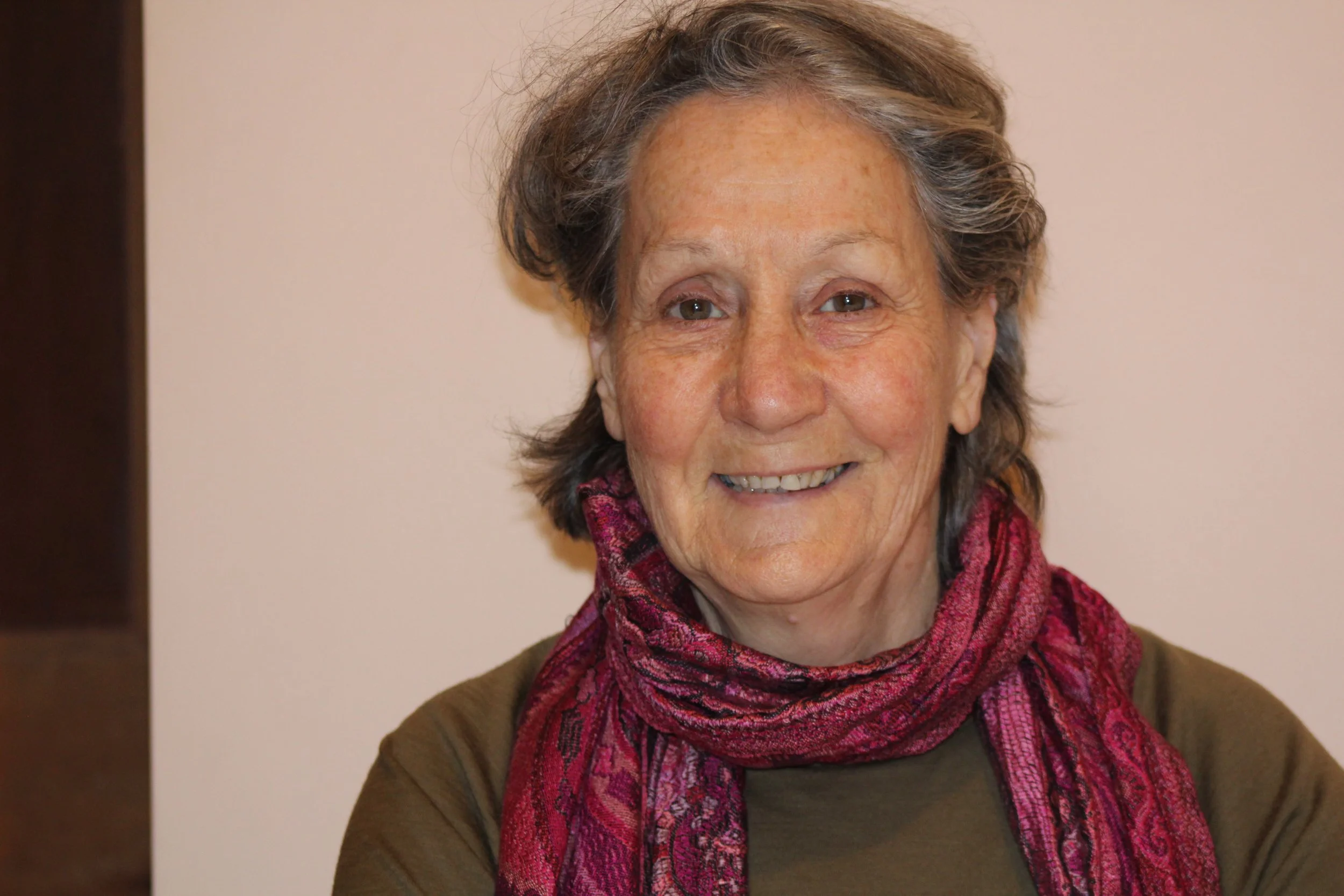
Facilitated by Maggie Carey
I have had a long association with Michael White's approach to narrative therapy and the ideas that shaped it, and I continue to be interested in what is happening with narrative practice in different parts of the world. In recent years that interest has been drawn to the ways in which the narrative approach has been taken forward in its application in local contexts, both in India and in Mexico and within Aboriginal communities in Australia. I am appreciating how my thinking about narrative practice is influenced through the contribution that is being made by practitioners who are making the practice relevant in contexts that are local and particular and every day. There is something in this movement of ideas across cultures and communities that feels close to the spirit of jugaad, a resourceful and grounded making-do, that shapes practice to what the moment and the place actually call for.
This follows on from my ongoing interest in the writers and thinkers whose ideas were originally drawn on as conceptual underpinnings to the narrative approach. I am especially interested in the schools of thought that have come after the French post-structuralists and that have taken things in directions more in line with broader contemporary concerns of social justice and equity across the planet. This has led me to questions of collective identity and shared subjectivity, and to how narrative practice might speak to belonging, responsibility and care that reach beyond the individual. The conference theme, "the children are always ours," names this widening of the circle of concern, and it is one I am glad to be thinking alongside colleagues in India as we gather in Puducherry.
I am delighted to contribute as a pre-conference workshop and mini workshop presenter, and I look forward to the shared celebration of narrative ideas and everyday stories of response and resistance.